
Culture, Kimchi, and Why Fermented Foods Have My Heart
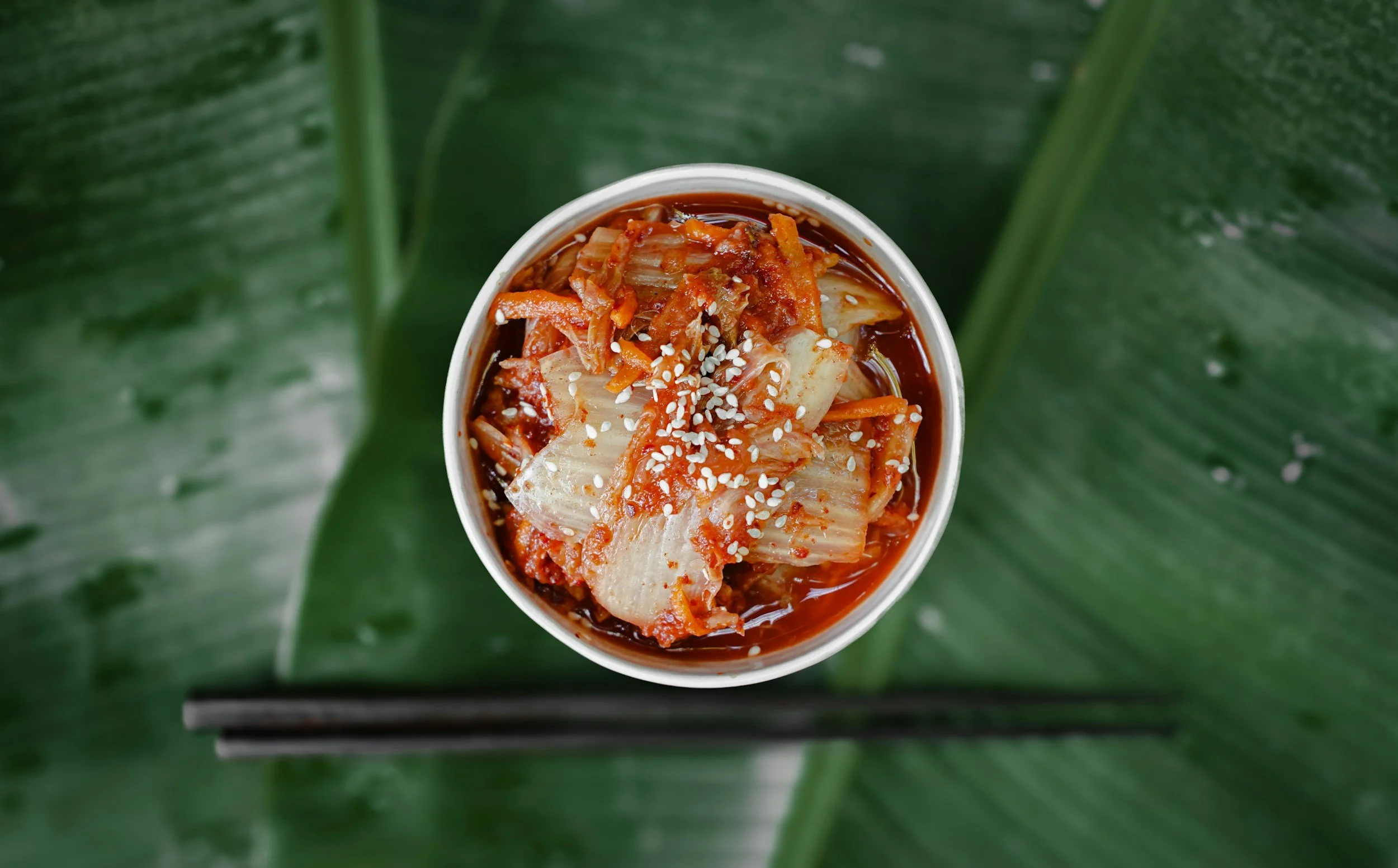
Ever wondered what kimchi actually is and why people rave about it?
Kimchi is a traditional Korean dish made from fermented vegetables (most commonly napa cabbage or radish) mixed with garlic, ginger, chili pepper, and other seasonings. The real magic happens during fermentation, when beneficial bacteria develop and create that signature tangy, spicy, deeply satisfying flavor.
I fell in love with kimchi years ago while living in Hawaiʻi, and that experience changed the way I think about food forever.
Hawaiʻi is one of those places where cultures blend naturally through food. Korean, Japanese, Filipino, Chinese, Native Hawaiian, and so many other traditions live side by side on the plate. Kimchi wasn’t a “health food” there, it was just normal, everyday, delicious food. Once I started eating it regularly, I noticed how good my body felt.
My curiosity sparked something bigger, a passion for learning about different cultures through food, especially traditional foods that have been nourishing people for generations. I posted a recipe for how to make Fermented Cabbage.
Why Fermented Foods Are So Powerful 💚
Long before probiotics were sold in capsules, people around the world were already cultivating them in their kitchens. Fermented (or cultured) foods are incredible for gut health. They’re naturally rich in probiotics, beneficial bacteria that help:
Support digestion
Strengthen the immune system
Improve nutrient absorption
Support mood and overall wellness (yes, the gut–brain connection is very real)
Fermented Foods Around the World 🌍
Nearly every culture has its own traditional fermented foods:
🇰🇷 Korea: Kimchi
🇯🇵 Japan: Miso, natto
🇩🇪 Germany: Sauerkraut
🇮🇳 India: Dosa, idli, fermented pickles
🇲🇽 Mexico: Fermented salsas, tepache
🇷🇺 Eastern Europe: Kefir
🇫🇷 France: Yogurt, cultured cheeses
🌍 Africa: Injera, fermented millet and sorghum
These foods weren’t just about flavor, they were about preservation, nourishment, and health, passed down through generations. Learning about them feels like learning history, culture, and wisdom all at once, and sharing that knowledge is something I truly love.
A Little Goes a Long Way
You don’t need to overhaul your diet to benefit from fermented foods. Even small amounts, just a few forkfuls a day, can make a meaningful difference. Your gut (and your taste buds) will thank you 😄
An Important Note on Histamines 🌿
Fermented foods are naturally high in histamines. For people with histamine intolerance or mast cell issues, foods like kimchi, sauerkraut, kefir, and aged cheeses can sometimes trigger symptoms such as:
Headaches
Flushing
Itching
Digestive upset
Fatigue
If this sounds like you:
Start with very small amounts
Pay close attention to how your body responds
Choose freshly fermented foods when possible
Work with a healthcare professional if symptoms persist
Food should help you feel better, not worse and sharing food is one of the most beautiful ways we connect to our bodies, our health, and to cultures around the world. Fermented foods like kimchi remind us that sometimes the oldest traditions are still the most powerful🌶️🥬.